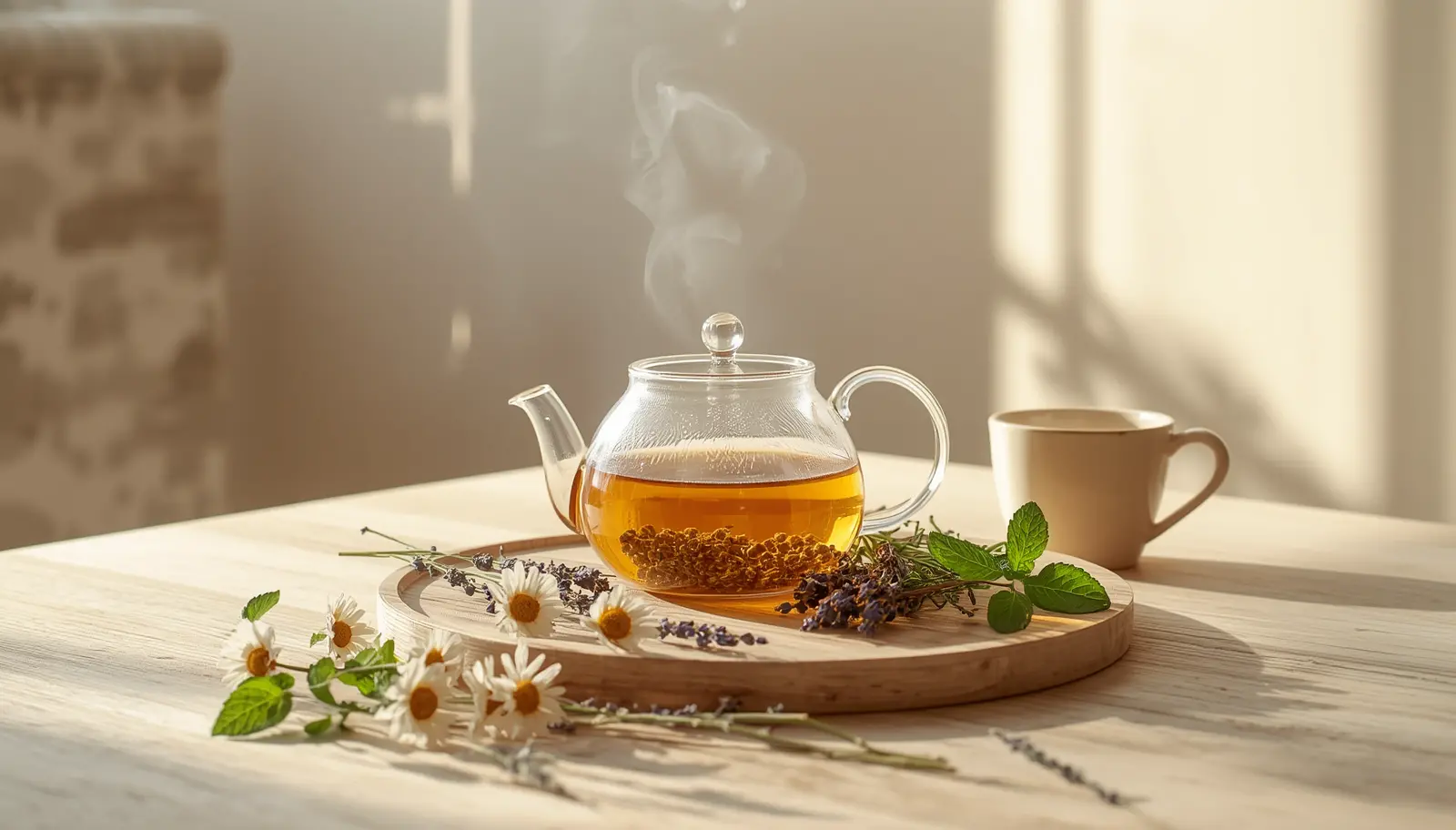
When your throat is uncomfortably dry or scratchy, a warm cup of tea is often the first remedy people reach for. The soothing heat, herbal aroma, and gentle plant properties work together to hydrate your throat and ease irritation.
In this guide, you'll find 6 caffeine-free herbal teas that naturally comfort a sore throat, along with simple brewing tips to help you get the best flavor from each one. I've also included a few favorite tea-making essentials that make preparing loose-leaf and herbal teas easier.
What Is The Best Tea For A Sore Throat? (quick Answer)
If you're looking for a quick recommendation, these herbal teas are among the most popular choices for a warm, comforting drink:
How your throat feels / what you prefer | A comforting tea option |
Feels warm or “too hot” and you prefer something cooling | Peppermint Tea |
Feels heavy or you prefer a warm, spicy-style drink | Ginger Tea |
Feels uncomfortable at night and you want a gentle evening drink | Chamomile Tea |
Feels irritated and you prefer a richer, more full-bodied cup | Turmeric Tea |
Feels strained from talking and you prefer a naturally sweet tea | Licorice Root Tea |
Feels congested and you prefer a stronger herbal aroma | Thyme & Sage Tea |
1. Peppermint Tea
Peppermint naturally contains menthol, a powerful plant compound known for its cooling properties. When your throat feels hot and inflamed, sipping peppermint tea feels like a gentle, icy breeze. The steam from the cup can also help open up mild nasal congestion.
Brewing Tips
100°C (212°F)
5–7 minutes
Optional: add lemon for a brighter cup
Good to Know
Avoid over-steeping, as stronger extraction can make the flavor slightly sharp rather than smooth.
2. Ginger Tea
Fresh ginger root is packed with gingerol, a bioactive compound known for its warming and soothing effects. A strong cup of ginger tea creates a pleasant, spicy heat that distracts from throat pain while helping to clear out lingering scratchiness.
Brewing Tips
100°C (212°F)
10–15 minutes
Fresh slices give a stronger infusion than powder or bags
Good to Know
Start with a small amount of ginger if you prefer a milder warmth.
3. Chamomile Tea
If your sore throat is keeping you awake at night, chamomile is your best friend. It contains apigenin, an antioxidant that promotes sleep and relaxation. Naturally caffeine-free and incredibly mild, it’s the perfect gentle beverage to sip right before bed.
Brewing Tips
90–95°C (194–203°F)
5 minutes
Cover while steeping to preserve herbal aroma
Good to Know
Pairs well with honey if you prefer a slightly rounder taste profile.
4. Turmeric Tea
Turmeric gets its vibrant golden color from curcumin, a natural compound known for its comforting, anti-inflammatory properties. When brewed into a warm tea, it offers an earthy, grounding flavor that relieves a swollen or irritated throat. Its bold profile becomes much smoother when combined with milk or plant-based milk, creating a softer texture that feels incredibly soothing to sip slowly.
Brewing Tips
100°C (212°F)
5–10 minutes
Add a pinch of black pepper and milk for better balance
Good to Know
Best enjoyed as a blended drink rather than a plain infusion due to its strong earthy profile.
5. Licorice Root Tea
Licorice root is naturally much sweeter than sugar, thanks to a plant compound called glycyrrhizin. This makes it an excellent choice if you want a warm, highly palatable drink without adding extra sugar or honey. As a bonus, it naturally provides a mild throat-coating effect, making it perfect for soothing dryness and strained vocal cords.
Brewing Tips
100°C (212°F)
5–10 minutes
Can be blended with peppermint or chamomile
Good to Know
Naturally sweet, so additional honey is usually unnecessary.
6. Thyme & Sage Tea
Don't reserve these herbs just for cooking! Thyme and sage are packed with aromatic essential oils. When steeped in hot water, they create a robust, full-bodied herbal infusion. The deeply aromatic steam is especially comforting if your sore throat is accompanied by a stuffy nose.
Brewing Tips
100°C (212°F)
5–8 minutes
Keep covered while steeping
Make Every Cup Better: Herbal Tea Essentials
When you are resting with a sore throat, the last thing you want to do is fuss over messy tea strainers or constantly walk to the kitchen to reheat water. Upgrading your daily tea-making tools can make staying hydrated effortless.
High Borosilicate Glass Teapot with Built-In Infuser
£14.59 £19.51

Why We Like It
If you are using loose-leaf herbs like dried chamomile flowers or chopped ginger, a good infuser is a must to keep stray pieces out of your throat.
Instead of dealing with floating leaves or tiny herbal pieces in your cup, the filter keeps everything neatly contained while allowing herbs plenty of space to steep.
Available in 1000ml and 1200ml sizes, it's large enough to prepare several cups at once, making it ideal if you're spending a relaxing afternoon at home or sharing tea with family. The wooden handle stays comfortable to hold, while the transparent design makes it easy to judge brewing time without lifting the lid.
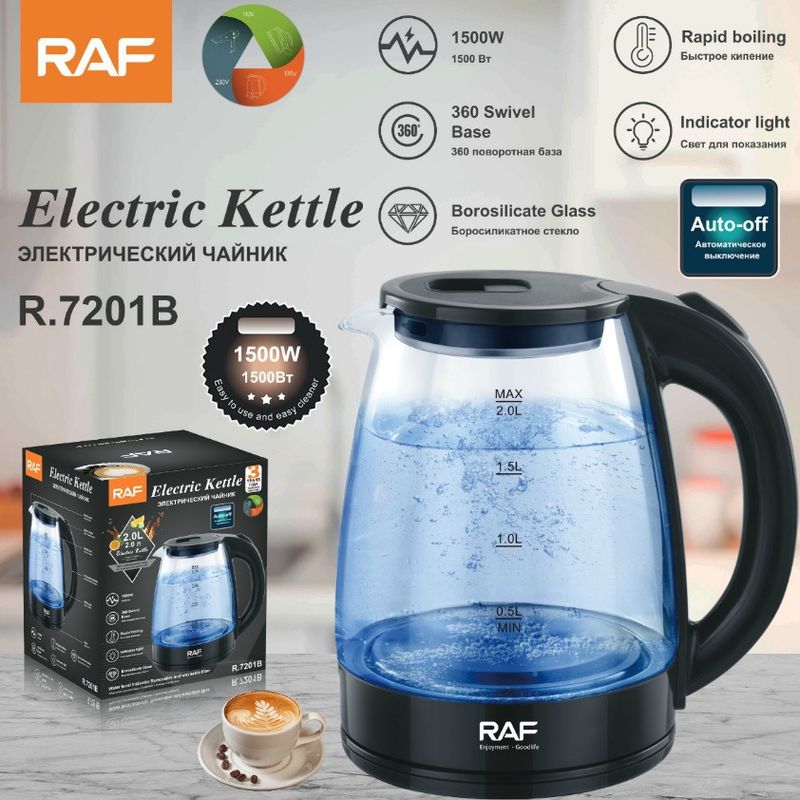
2L Glass Electric Kettle (1500W)
£42.24 £54.40
Why We Like It
Drinking herbal tea consistently throughout the day is key to keeping your throat hydrated.
Rather than dragging yourself to the kitchen to reheat water every hour, this generous 2L glass kettle boils water in minutes and features an auto-shutoff for safety. It’s perfect for keeping at your desk or bedside when resting.
FAQ
What is the best tea for a sore throat?
There is no single best option, but many people choose teas like peppermint, chamomile, ginger, or licorice root when they want something warm and easy to sip. The best choice often depends on whether you prefer something cooling, warming, or lightly sweet.
What tea is best for a dry or scratchy throat?
Gentle herbal teas such as chamomile or licorice root are often preferred because they are mild in flavor and easy to drink slowly. Warm teas in general are commonly chosen when you want something soothing and hydrating.
Can I drink tea throughout the day?
Yes, many herbal teas are naturally caffeine-free or low in caffeine, making them suitable for repeated sipping. However, stronger teas like black tea or green tea are often enjoyed earlier in the day.