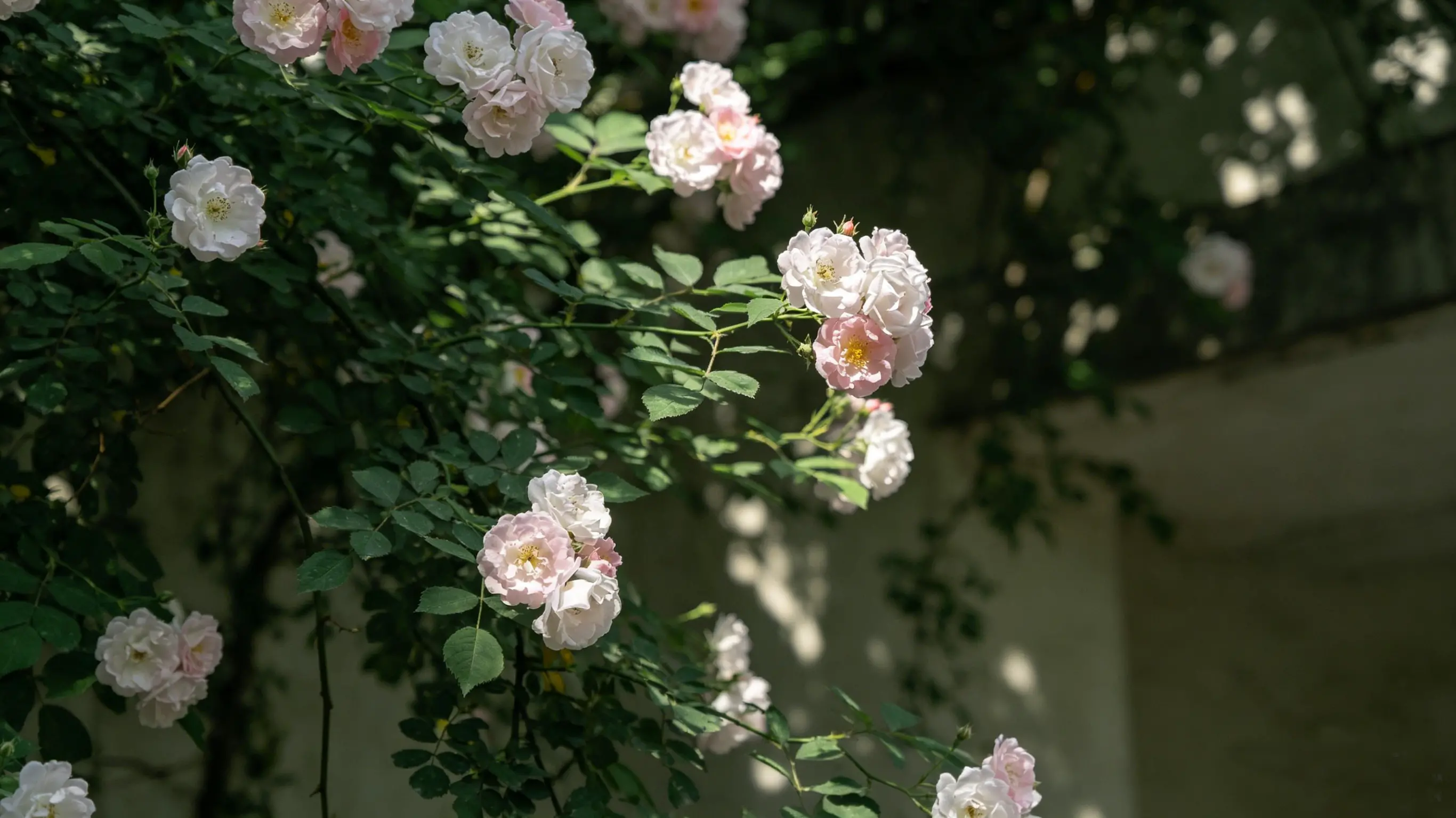
Rambling roses look romantic and full of promise, especially when you imagine them covering a shady wall or arch. But before you plant, it helps to be honest about what shade really means for a rose. A rambling rose in deep, dense shade is usually a struggle. The same plant in light shade or dappled shade can be a different story altogether. The key is not just “can it grow?” but “how much bloom can you realistically expect?”
Not All Shade Is The Same
Not every shady spot is created equal. For roses, the difference between “a bit of shadow” and “almost no sky” is huge.
Light or dappled shade—where the area gets several hours of filtered sunlight or bright indirect light—often works reasonably well for many rambling roses.
Morning‑sun‑only positions can also be promising, especially if the light is soft and not too harsh.
Bright partial shade—a wall or fence that is shaded in the afternoon but still gets strong early‑day light or reflection from a nearby surface—can still support a generous display.
Deep or full shade, such as a narrow passage under dense tree canopy or a corner permanently blocked by buildings, rarely provides enough light for a rambling rose to thrive.
Recognizing which kind of shade your space falls into prevents disappointment later. If your garden is truly dark most of the day, it is usually better to choose shade‑adapted plants and save the rambling rose for somewhere with more light.
Before planting, it often helps to spend a few days observing how light actually moves through the garden. A spot that feels shady in the morning may still receive several useful hours of afternoon brightness. Simple outdoor thermometers, moisture meters, or garden planning tools can make it easier to understand what your space is really like before committing to a rose.
 Gardening Thermometer with Frost Alert
£22.68 £29.95
Shop at Voghion Hygrometer LCD Display Moisture Meter
£18.81 £24.61
Shop at Voghion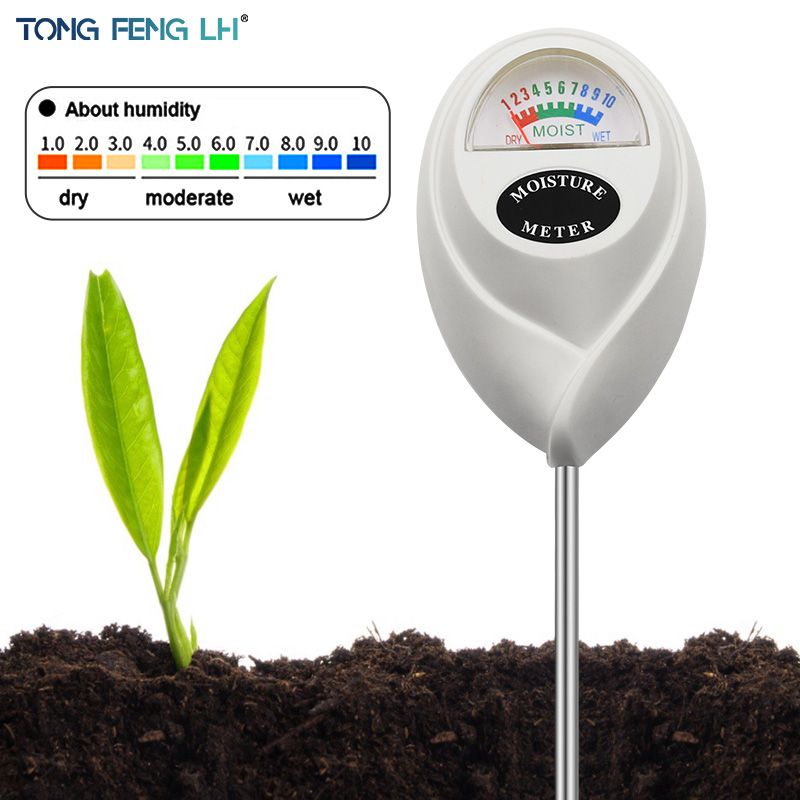 Gardening Soil Moisture Meter
£10.49 £16.16
Shop at VoghionWhat Happens When a Rambler Gets Too Little Sun
When a rambling rose grows in deep shade, it often survives but not in the way you might hope. Instead of a lush, flowering curtain, you may see long, leafy stems with far fewer flowers than you expected. The plant stretches toward whatever light is available, which can make it look leggy and unbalanced.
In low‑light conditions, the plant may also develop a weaker structure and become more vulnerable to damp and disease. With less sunlight to dry the leaves and stems, mildew and other fungal issues can appear more easily. The result can be a lot of green growth and only a short, disappointing flush of blooms, if any at all.
Understanding these possible outcomes helps set realistic expectations. If your goal is a wall covered in flowers, a deep‑shade corner is unlikely to deliver that, no matter how tough the variety. The plant will do its best, but its best may not match your vision.
How to Make Shade Work Better
If you still want to try a rambling rose in a shady area, the best strategy is to improve the conditions around it. Start by choosing the brightest possible spot within the shade, even if it is only a small improvement. Sometimes moving the planting spot by a meter or two—closer to a gap in the trees or nearer to a wall that reflects light—can make a big difference.
Reflective surfaces can also help. A pale wall, light‑colored fence, or nearby light‑colored paving can bounce extra light onto the leaves of the rose. This small boost may be enough to encourage more flowers, especially in a position that already gets some dappled sunlight.
Pruning nearby trees or shrubs can open up more light without removing them entirely. Thinning a few branches from above or beside the rose can create a more open canopy, allowing more daylight to reach the plant. Trimming low branches can also improve airflow and reduce the risk of fungal problems.
Stronger support placement is another factor: guiding the stems toward the brighter edges of the structure can help the plant make the most of the light it does receive.Soft plant ties, support wires, and sturdy climbing structures can also help guide stems toward brighter areas instead of letting growth become crowded.
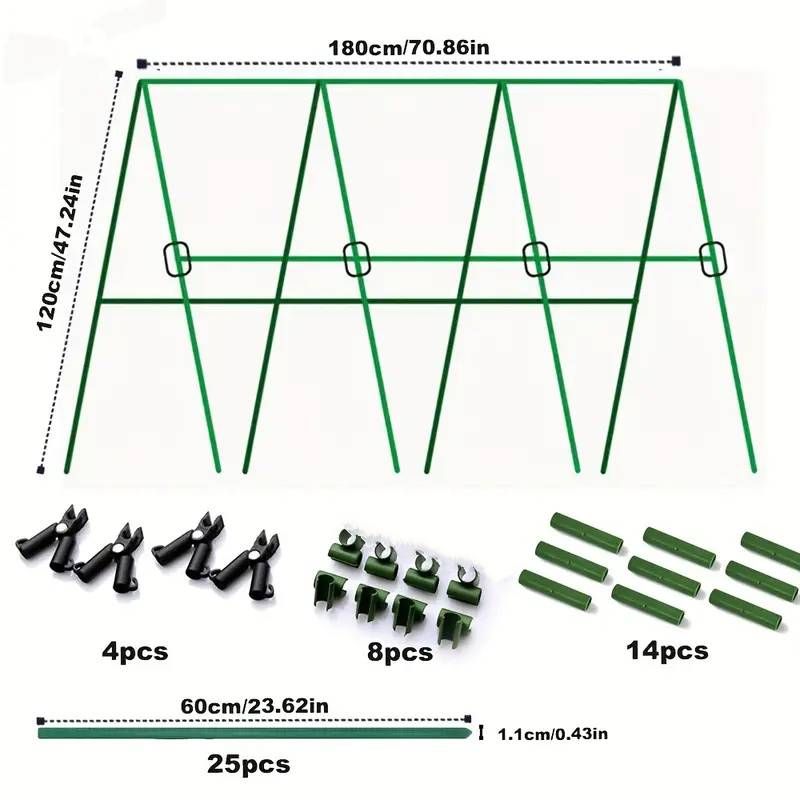 Plant Vine Climbing Frame
£19.52 £36.79
Shop at Voghion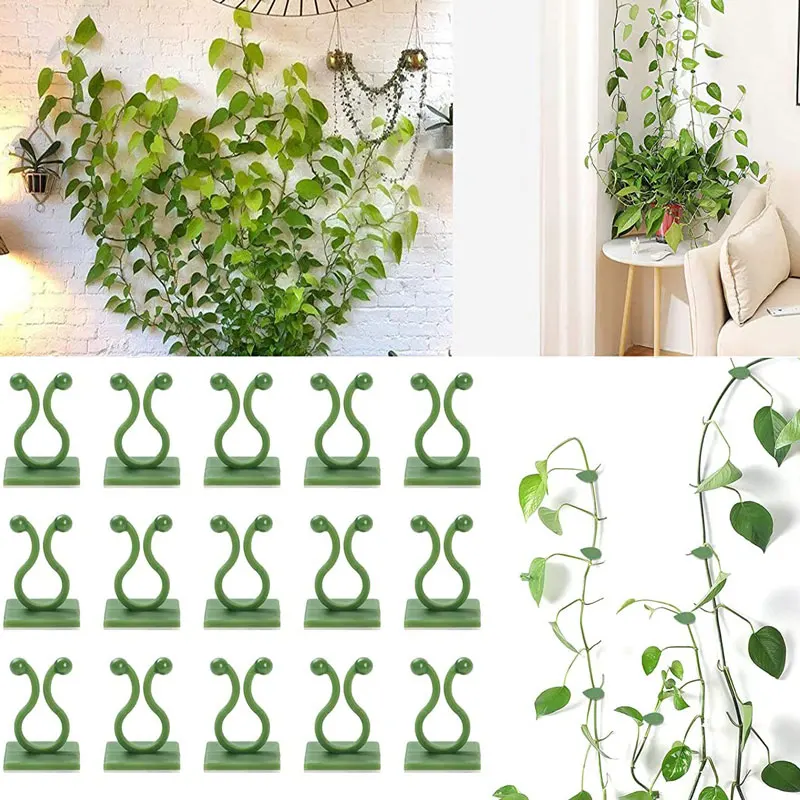 30Pcs Plant Climbing Fixture Clips
£8.49 £12
Shop at Voghion 30Pcs Climbing Fixing Clip
£9.54 £14.11
Shop at VoghionWhere Rambling Roses Usually Do Better in Shadier Gardens
In a garden with limited sun, there are still places where rambling roses can perform well. An east‑facing fence that gets soft morning light often works better than a wall facing deeper shade, even if neither is fully sunny. A pergola with partial light, where the rose can weave through the beams and reach toward the sun, can also be a good fit.
The edge of a mature tree, where the canopy filters rather than blocks the sky, can provide dappled shade that many rambling roses tolerate. A bright courtyard wall, even if it is not in direct sun all day, can reflect enough light to support a generous display. These positions usually offer a balance of light and protection that the plant can use.
In contrast, areas under dense tree canopy or in narrow, dark corners are usually better left to shade‑loving plants like clematis or hydrangea. These plants are adapted to the conditions and will thrive where roses often struggle.
One Last Thing
If you want a quick way to decide whether a rambling rose can grow in shade, use this rule:
If the area gets several hours of dappled sunlight or bright indirect light, a rambling rose has a good chance of surviving and even blooming to some degree.
If the spot is almost always dark, with little sky and heavy competition from tree roots, it is usually better to choose a shade‑adapted plant.
Managing expectations is the first step in a successful garden. Knowing what your shady corner can realistically support helps you choose the right plant and enjoy the results without disappointment.
Growing rambling roses in shade often takes a little more planning, but the right setup can make a big difference. From pruning tools and gardening gloves to plant supports, watering essentials, and outdoor accessories, explore more practical garden tools on Voghion to help your roses thrive in more challenging spaces.