I bought a dough proofing box a while back because I thought it would finally level up my homemade pizza. It felt like one of those “this is what serious people use” purchases.
A few months later, it was just sitting in a drawer.
What surprised me wasn’t that it didn’t work—it did. It’s just that somewhere along the way I realized I was getting almost the same results using a regular mixing bowl or a couple of food containers I already had. At that point, taking out a dedicated box started to feel like extra effort for no real gain.
So if you’re wondering whether you actually need one, or if you’re missing something by not having one, you’re probably not. For most people who cook at home once in a while, it’s more of a nice-to-have than something essential.
What a Proofing Box Really Does
When you strip it down, a proofing box isn’t doing anything magical. It just gives your dough a stable place to rise—slightly warm, a bit humid, and protected from drafts.
That’s useful, especially if you’re trying to be consistent every single time. I can see why someone making pizza multiple times a week, or doing more technical recipes, would want that level of control.
But for casual cooking, the gap between “ideal conditions” and “good enough” is actually pretty small.
Once you understand that dough just needs a comfortable environment—not a perfect one—it becomes obvious that your kitchen can already provide that. You don’t really need a specialized container to trap a bit of moisture or keep things from drying out.
I think the mistake a lot of people (including me) make is buying the tool before they’ve run into a real problem it solves.
What I Use Instead (From Easiest to More Involved)
Over time, I ended up rotating between a few simple setups depending on what I’m making and how much effort I feel like putting in.
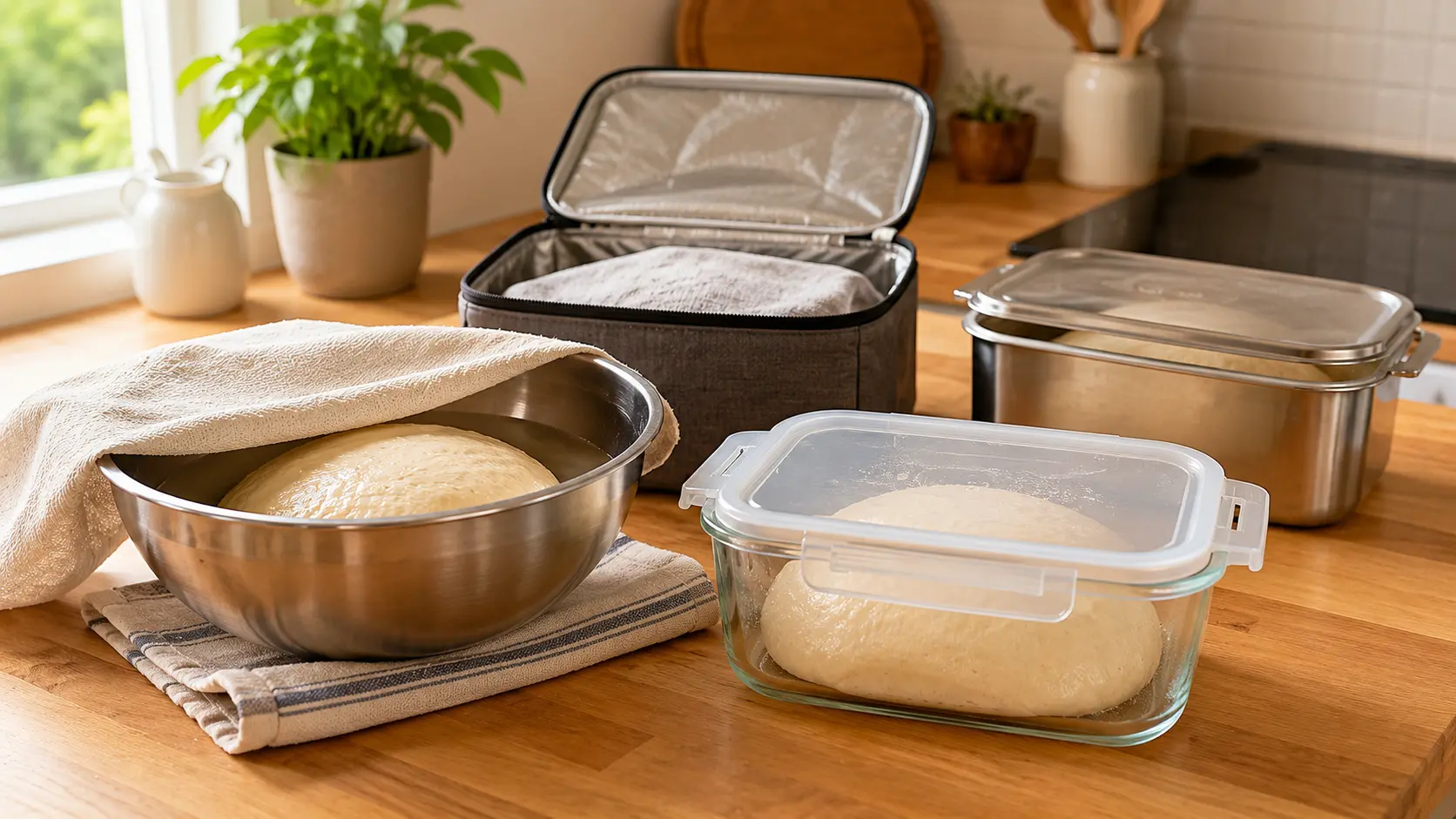
The one I use most is just a large mixing bowl with something covering it.
Sometimes it’s a slightly damp kitchen towel, sometimes plastic wrap. That’s honestly enough most of the time. It keeps the surface of the dough from drying out, and you don’t really have to think about it beyond that. If you’re making pizza on a weekend or just experimenting, this already gets you most of the way there.
If I’m planning ahead and letting the dough sit in the fridge overnight, I’ll switch to a regular food container.
Nothing fancy—just something with a lid. It actually works better than an open setup because it holds moisture in and doesn’t take up much space. If I remember, I’ll crack the lid once to release some gas, but even that’s not something I stress about. It’s low effort and very reliable.
 Disposable Dish Towel for Kitchen
£5.58 £8.19
Shop at Voghion Stainless Steel Mixing Bowls For Kitchen
£20.12 £30.44
Shop at Voghion Stainless Steel Food Containers Sealed
£12.30 £20.18
Shop at VoghionWhen my kitchen is cold—usually in winter—I’ll use the oven trick.
I don’t turn it on. I just put a bowl of hot water inside and then place the covered dough in there as well. It creates a slightly warm, humid space without any real setup. It’s not precise, but it nudges things in the right direction when the room temperature isn’t cooperating.
And then there’s a slightly more “hacky” option I’ve used a couple of times: a small cooler or insulated bag.
I line it with a warm, damp towel and put the dough inside. Once it’s closed, it holds temperature surprisingly well. I don’t use this often, but it’s helpful if you want something a bit more stable without buying another piece of equipment.
 Oven Thermometer Baking Tools
£21.31 £27.62
Shop at Voghion EU Standard Automatic Oven
£121.96 £167.08
Shop at Voghion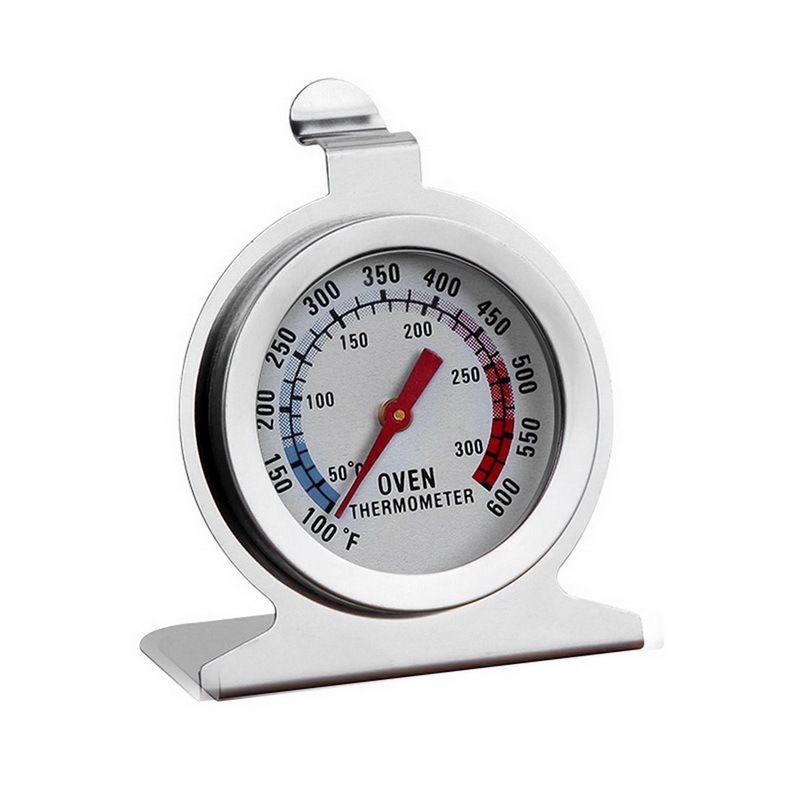 Stainless Steel Oven thermometer
£7.20 £11.22
Shop at VoghionWhat You’re Making Matters More Than The Container
One thing I didn’t really think about at first is that not all dough needs the same setup.
If you’re making a single loaf of bread or just one batch of pizza dough, you don’t need much. A covered bowl on the counter is usually enough. The dough will rise, maybe a bit slower or faster depending on your room, but it’ll still get there.
Where a proofing box starts to make more sense is when you’re handling multiple dough balls at once—like if you’re prepping for several pizzas and want them portioned, organized, and consistent over a longer period.
That’s a different workflow. You’re not just letting dough rise; you’re managing it.
If you’re not doing that, the box can actually feel like overkill. It adds another step, another thing to clean, and another object taking up space.
When a Proofing Box Actually Makes Sense
I don’t think proofing boxes are useless. They just make sense in more specific situations.
If you’re baking frequently—like several times a week—and juggling multiple batches, having a dedicated container helps keep things organized.
If you’re working with recipes where timing and temperature really matter, especially high-hydration doughs, then a more controlled environment can save you from inconsistent results.
And if you already have the space and like having a clean, stackable system for your dough, it can make your setup feel more streamlined.
But if you’re just cooking at home now and then, those benefits don’t really show up in a meaningful way.
Closing Thoughts
I still have my proofing box, but I almost never reach for it.
Most of the time, I just use whatever’s already in the kitchen and adjust a little depending on the weather or how much time I have. That’s been more than enough to get consistently good results without turning the whole process into something overly technical.
If anything, stepping back from trying to “optimize” everything actually made cooking feel easier again.
The funny thing is, once you stop chasing “perfect” gear, you start noticing how many different setups actually work. A mixing bowl, a storage container, even a slightly improvised setup—they all get you pretty close as long as you understand the basics.
So if you’re just making pizza occasionally or experimenting here and there, you probably don’t need more equipment. A decent container, some awareness of temperature, and a bit of patience go a long way. The dough does most of the work anyway.
And if you ever feel like refining your setup, you can always explore affordable baking tools and kitchen essentials on Voghion to see what actually fits the way you bake.