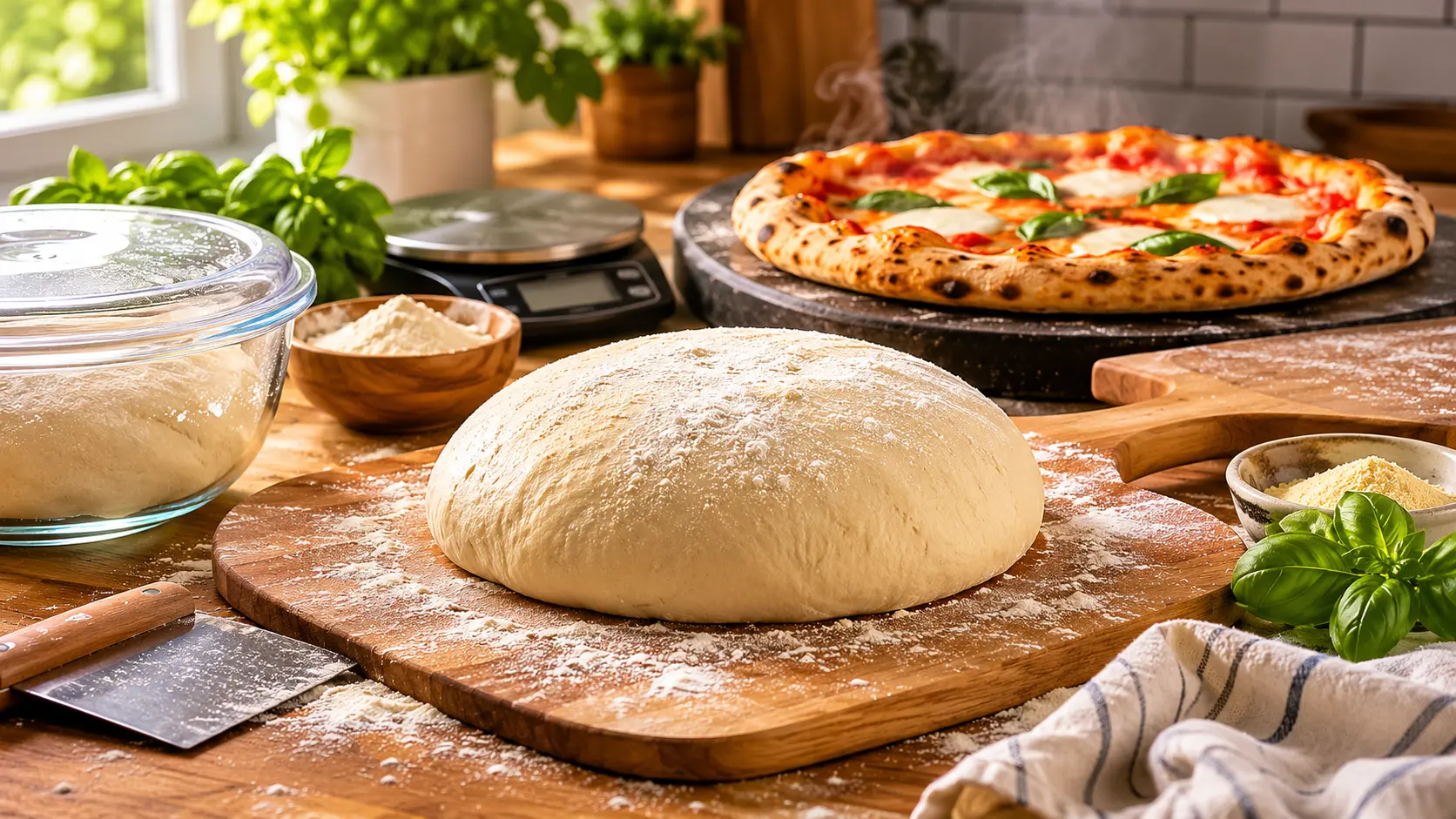
Pizza dough is frustrating because small things change everything. The same recipe can feel perfect one weekend and weirdly sticky or stiff the next. Most of the time, the difference is not talent—it is a few small habits and a couple of tools that remove the guesswork.
That is what makes home pizza dough tricky. It is simple enough to start, but easy to get inconsistent results if you are only going by feel. The good news is that you do not need a huge setup to fix that. A few basic habits matter most, and the right tools just make those habits easier to repeat.
The Habits That Matter Most
Measure by weight
If your dough keeps turning out differently even when you follow the same recipe, this is usually the first thing to check. Cups and spoons can be wildly inconsistent, especially with flour. One week the dough stretches beautifully, and the next it feels sticky, dry, or impossible to shape, even though you swear you did everything the same way.
A digital scale solves most of that. It is not the most exciting tool, but it is probably the most useful one. If you want consistent dough at home, this is the place to start.
 Stainless Steel Kitchen Scale 10kg
£26 £42.60
Shop at Voghion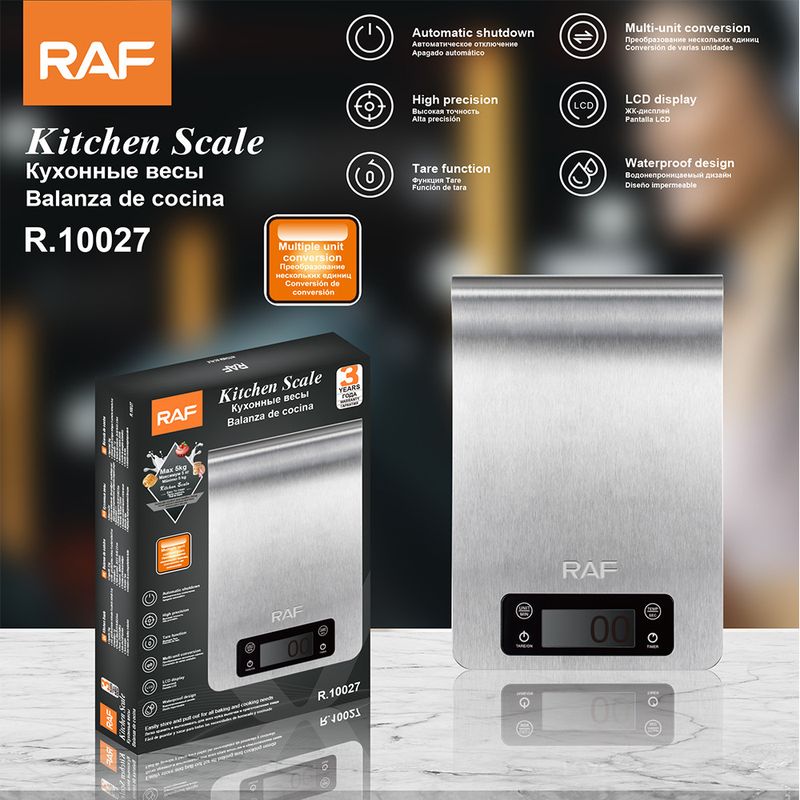 High Precision Kitchen Scale
£32.24 £61.85
Shop at Voghion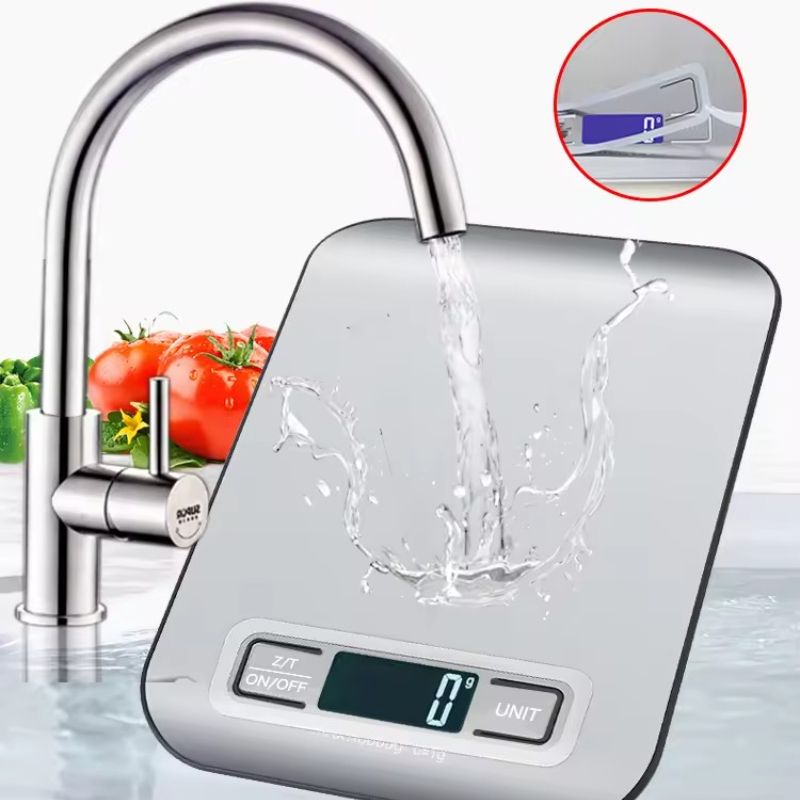 Kitchen Scale LED Display 5kg/1g
£16.85 £23.08
Shop at VoghionWatch the temperature
Dough changes fast when the room is warm, and it moves painfully slowly when the kitchen is cold. That is why a recipe can seem fine on paper but behave differently in real life. A slightly colder bowl, a warmer counter, or a few extra degrees in the room can change the whole timeline.
You do not need to obsess over it, but it helps to notice. If your dough feels sluggish, the problem may not be the recipe at all. It may just need a warmer spot or a little more time.
Let the dough rest
People often assume snapping-back dough means they did something wrong. Most of the time, it just needs ten or fifteen quiet minutes. Dough that resists stretching is usually telling you to leave it alone for a bit.
That rest period makes shaping much easier. It also keeps you from fighting the dough, which is usually when the process starts to feel annoying. This is one of those simple habits that makes a bigger difference than it looks like it should.
The Tools That Make Pizza Night Easier
Use a simple proofing container
You do not need a dedicated proofing box for most home pizza dough. A covered bowl or a food storage container is usually enough. The main goal is just to keep the dough from drying out while it rises.
If you make pizza occasionally, this is one of the easiest places to keep things simple. A proofing box can be nice, but most people only need a basic covered container. It does the job without taking up much space or adding another thing to clean.
 16L Stainless Steel Food Container
£32.89 £54.27
Shop at Voghion Stainless Steel Container with Glass-lid
£8.33 £15.18
Shop at Voghion Plastic Food Containers with Lids
£14.17 £19.36
Shop at VoghionUse a pizza stone or steel
If your pizza keeps coming out pale on the bottom, this is usually where the problem is. A home oven can look hot on the outside while still not delivering enough heat to the dough. That is why preheating matters so much.
A stone or steel helps the oven hold heat better and gives the crust a better start. It is not a magic fix, but it can make the difference between “pretty good” and “actually satisfying.” If you bake pizza more than once in a while, this is one of the most worthwhile upgrades.
Make launching easier with a peel
Getting the pizza onto the hot surface is one of the most stressful parts for a lot of home cooks. If the dough sticks, folds, or lands awkwardly, the whole thing gets frustrating fast. You do not need a perfect technique, but you do need a way to move the pizza without panic.
A pizza peel helps, though parchment paper can be an easier starting point. If you are still getting comfortable with the process, parchment gives you a little more margin for error. That alone can make pizza night feel much smoother.
Keep the Setup Small
It is easy to think better pizza dough requires better gear. Usually, it does not. What matters most is getting a few boring things right: enough time, enough heat, and dough that has been left alone long enough to relax. Once those pieces click, the tools stop feeling like the point and start feeling like helpers.
That is why I would start with the basics and only add tools when they solve a real problem. A scale, a covered container, and a stone or steel will take most home bakers a long way. Everything after that is mostly about making the process easier to repeat.
To Summarize
A surprisingly good homemade pizza usually comes from doing a few simple things well. Measure carefully, pay attention to temperature, give the dough time to rest, and do not rush the bake. Once those habits are in place, the tools just make pizza night feel easier.
If you end up making pizza at home more often, you will probably figure out pretty quickly which tools actually make life easier for you. Sometimes it is just a better container or a simple scale; sometimes it is finally adding a pizza stone after getting tired of soft crusts. The good thing is, there is no single “perfect” setup—just the one that fits how you like to cook.
If you feel like experimenting, it can be fun to explore different pizza-making tools and kitchen essentials to see what works best in your own kitchen.